We are building climate-resilient food and livelihood opportunities for dryland communities, starting in Karamoja, Uganda.
Okralink began with a simple question: how can communities produce food and earn income in places where rainfall is increasingly unreliable?
Karamoja is a dryland region where food production, livelihoods, markets, water availability, and climate conditions are closely connected. Traditional agriculture is under pressure. Long dry periods make field crops risky.
We started Okralink to explore production systems that can complement traditional agriculture — solutions that work with the realities of the drylands, not against them. Mushroom production became our first answer.
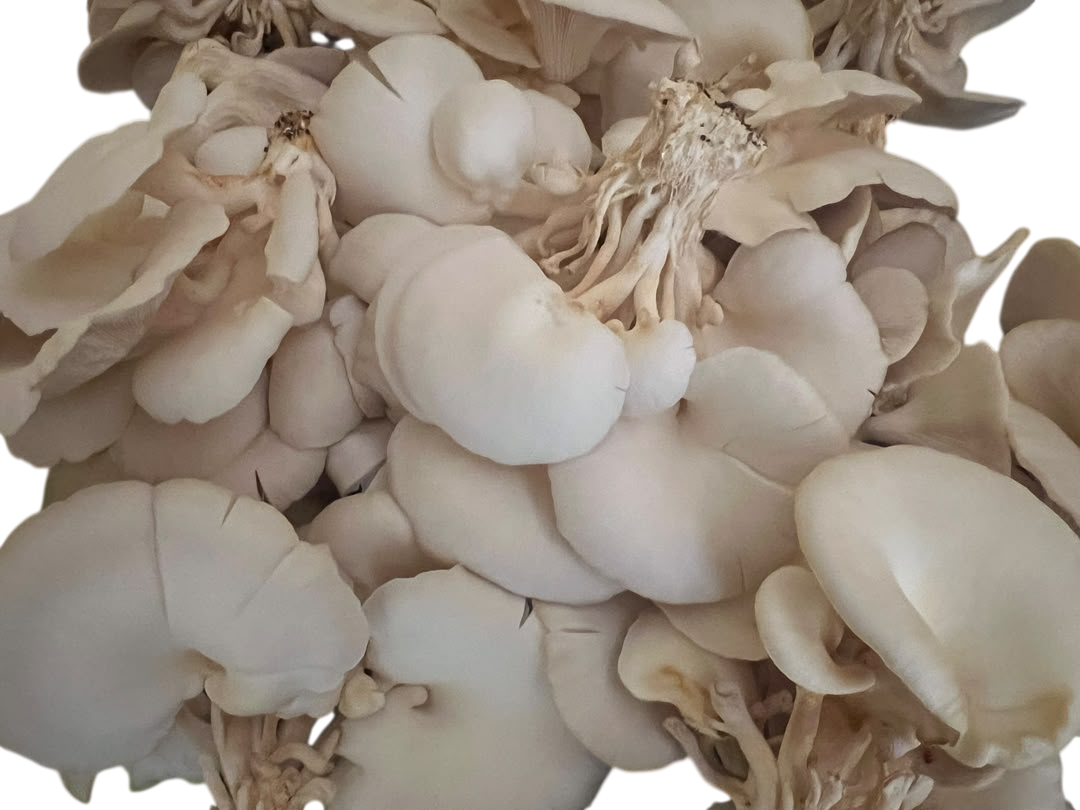
Mushrooms need no soil, little water, and only weeks to harvest. They grow from local agricultural waste and can be produced in small spaces. For a farmer, a young person, or a woman looking for an income opportunity, they open a door that field crops often can't.
Three principles guide everything we do.
To build climate-resilient food and livelihood opportunities for dryland communities through mushroom production, value addition, and training.
A future where dryland communities have more ways to produce food, build livelihoods, and adapt to a changing climate.
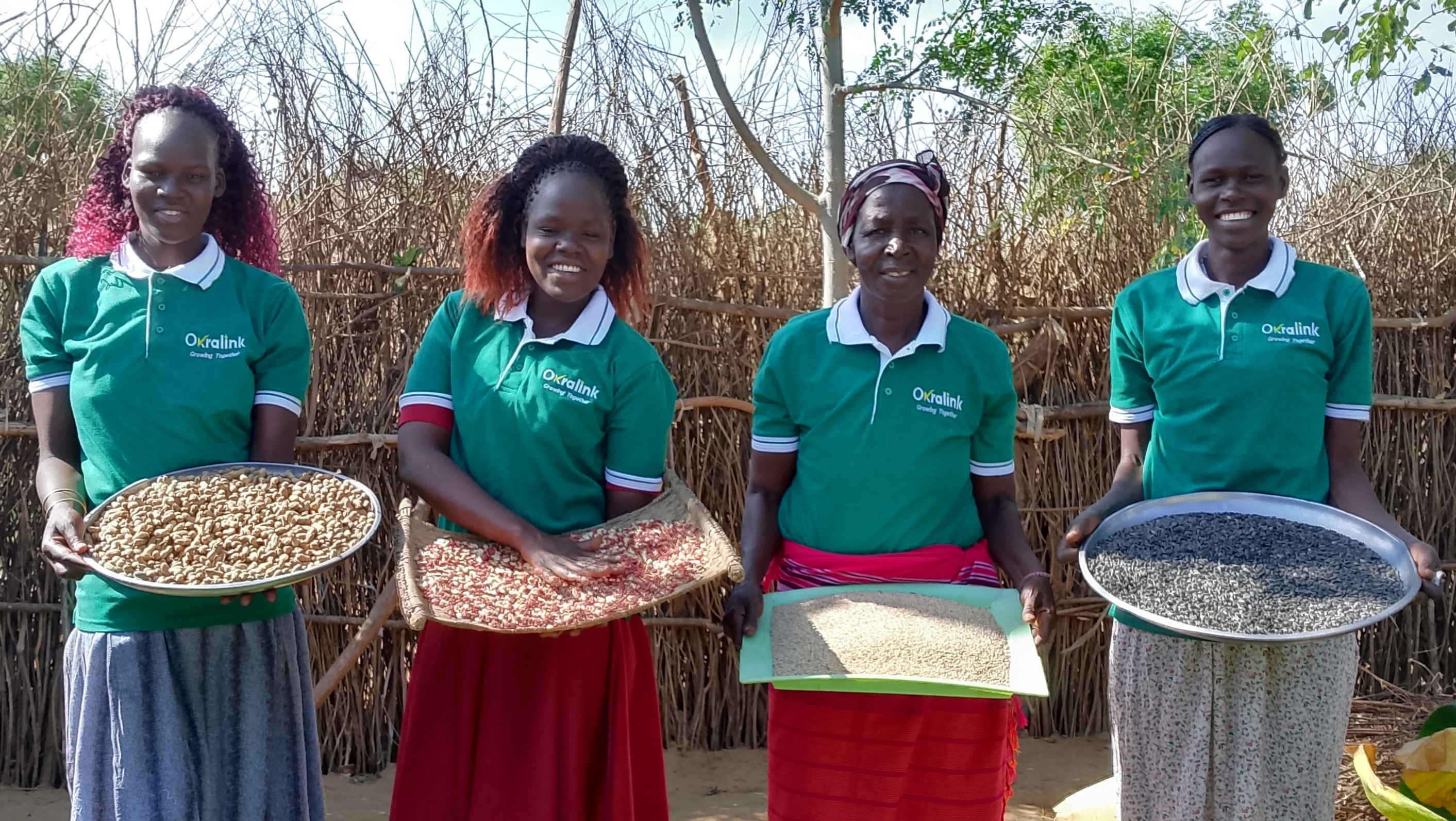
We develop solutions with communities rather than simply for them — combining practical training, local production, and market linkage.
Mushrooms create a different kind of agricultural opportunity — one suited to the drylands.
They can be produced in relatively small spaces — under a shelf, in a corner of a house, or in a shaded room.
They do not depend on rainfall the same way as field crops, making them reliable year-round.
They provide protein, fibre, and micronutrients — a valuable addition to household diets.
They can be sold fresh or processed into higher-value products like dried mushrooms and powders.
Mushrooms grow from agricultural waste — maize husks, coffee husks, sawdust — turning what would be discarded into food.
They help communities diversify how they produce food and earn income, rather than replace existing systems.
Starting in Karamoja. The wider vision is dryland Africa.
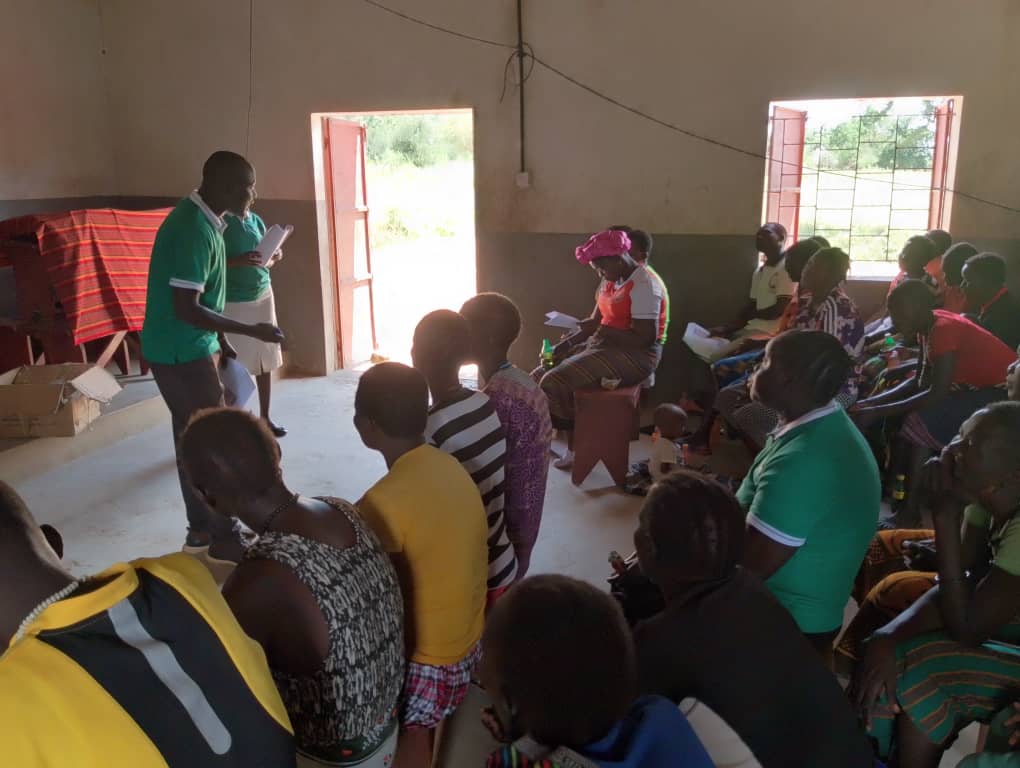
Karamoja is at the heart of our work. It is a dryland region in north-eastern Uganda where food production, livelihoods, markets, water availability, and climate conditions are closely connected.
We believe solutions should be developed with communities rather than simply designed for them. Our work focuses on building practical knowledge, local production, entrepreneurship, and stronger food systems.
Karamoja is our starting point. The wider vision is dryland Africa.
We focus on the full journey — from learning, to producing, to selling, to scaling.
We grow oyster mushrooms using climate-smart methods — from substrate preparation with local waste to controlled growing without grid electricity.
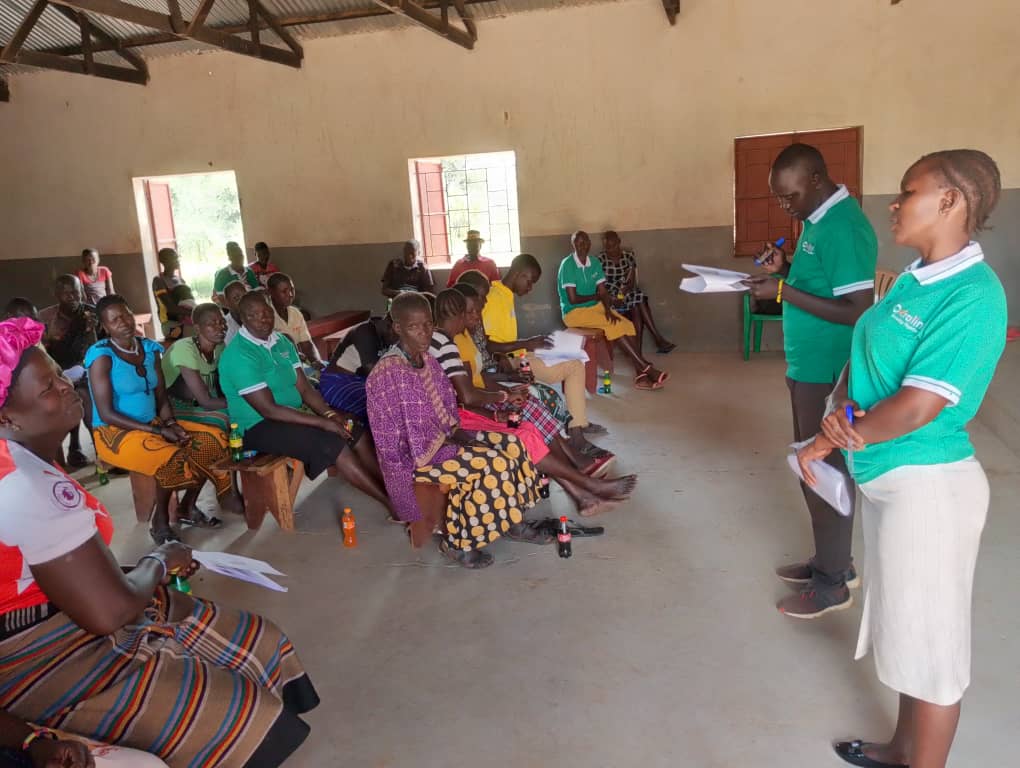
We train farmers, youth, and women in cultivation, harvesting, hygiene, value addition, and business skills — with ongoing WhatsApp support.
We supply quality mushroom spawn and ready-made gardens so new growers can start fast without preparing everything from scratch.
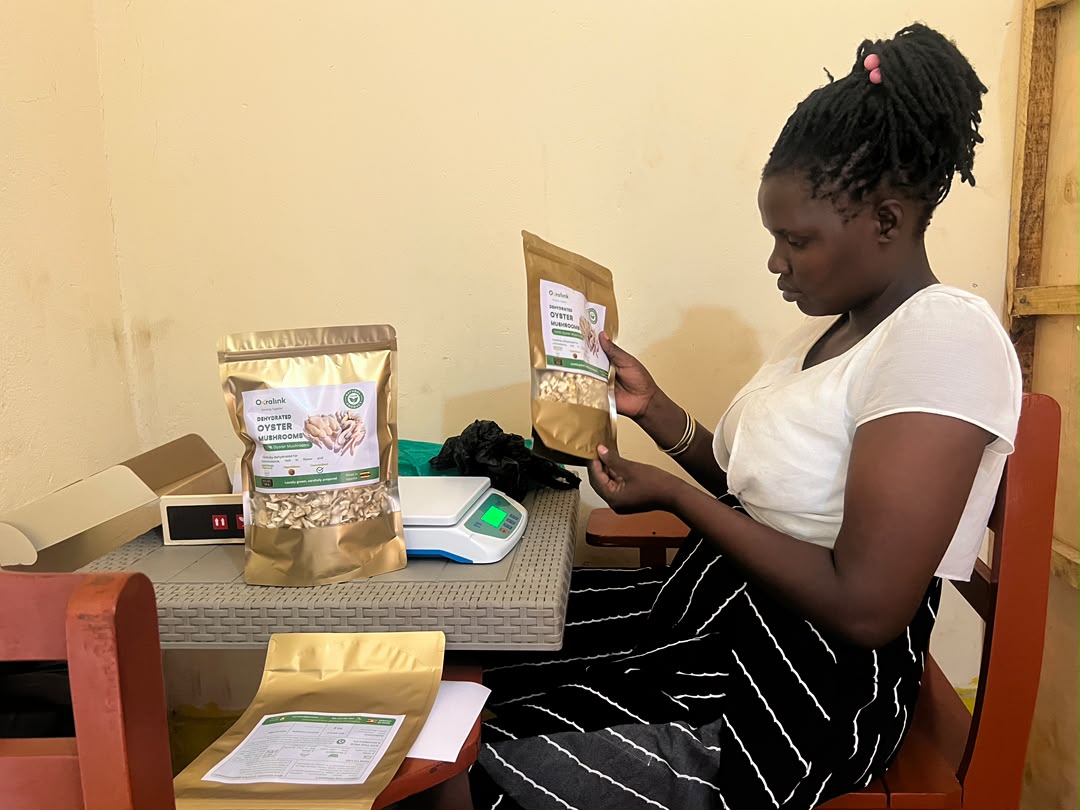
We process mushrooms into dried products, powders, and snacks — extending shelf life and increasing income for producers.
We connect producers to restaurants, retailers, and households — helping every harvest find a buyer.
We develop solutions with communities rather than simply designing for them. Local knowledge shapes everything we do.
A glimpse into the people and the work behind Okralink.
Partners, supporters, and collaborators helping us grow.

Whether you're a farmer looking to start, a buyer looking for fresh mushrooms, or a partner looking to support climate-resilient food systems — we'd love to hear from you.